

Cyberpunk Screenplay PDF: A Comprehensive Guide
Navigating the digital landscape for cyberpunk screenplay PDFs reveals a wealth of resources, from complete scripts like Ghost in the Shell to analyses of Akira.
Recent updates to Cyberpunk 2077, including Phantom Liberty, also inspire new scriptwriting approaches.
Delving into cyberpunk screenplays means exploring a genre born from the anxieties and possibilities of technological advancement. The search for a “cyberpunk screenplay PDF” often begins with a desire to understand the core elements that define this unique style of storytelling.
These scripts frequently showcase dystopian futures, dominated by megacorporations, rampant cybernetics, and a stark contrast between high-tech innovation and societal decay. Examining available PDFs, like those stemming from influential works such as Ghost in the Shell and Akira, provides invaluable insight.
The recent resurgence of interest, fueled by Cyberpunk 2077 and its 2.0 update alongside the Phantom Liberty DLC, has further amplified the demand for these resources, offering modern examples for aspiring screenwriters to dissect and learn from.
What Defines a Cyberpunk Screenplay?
A true cyberpunk screenplay transcends mere futuristic aesthetics; it’s defined by thematic depth and structural conventions. Searching for a “cyberpunk screenplay PDF” reveals scripts prioritizing narratives of rebellion against oppressive systems, often embodied by powerful megacorporations.
Key characteristics include morally ambiguous characters, a gritty, neon-drenched visual style, and exploration of transhumanism through cybernetics and human augmentation. Analyzing PDFs of classics like Blade Runner and Akira demonstrates this focus.
Modern examples, such as those influenced by Cyberpunk 2077 and its Phantom Liberty expansion, showcase complex world-building and intricate plots, solidifying the genre’s enduring appeal and distinct screenplay format;
Key Themes in Cyberpunk Storytelling
Examining cyberpunk screenplay PDFs reveals recurring thematic elements that define the genre. Central to these narratives is the struggle against corporate control and governmental overreach, often depicted in dystopian urban landscapes.
Transhumanism, exploring the implications of merging human consciousness with technology, is a frequent motif, as seen in scripts like Ghost in the Shell. Identity, particularly in a world of digital realities and body modification, is another core concern.
Social alienation, the dangers of unchecked technological advancement, and the blurring lines between reality and simulation consistently appear. Cyberpunk 2077’s narrative, and its Phantom Liberty DLC, exemplify these themes, influencing contemporary screenplay structures.
Historical Roots of the Cyberpunk Genre
Analyzing early cyberpunk screenplay PDFs illuminates the genre’s foundational influences. While the term “cyberpunk” emerged in the 1980s, its roots extend to earlier works exploring similar themes.

Fritz Lang’s Metropolis (1927), with its depiction of a futuristic, class-divided city, is a significant precursor. Blade Runner (1982), a landmark film, solidified many visual and thematic tropes, becoming a touchstone for subsequent screenplays.

Terry Gilliam’s Brazil (1985) further explored dystopian bureaucracy and technological control. These films, often available as screenplay PDFs, demonstrate the genre’s evolution and its enduring fascination with the intersection of technology and society.
Influence of “Blade Runner” (1982)
The availability of the Blade Runner screenplay PDF is invaluable for aspiring cyberpunk writers. Its influence is pervasive, establishing key elements like neon-lit cityscapes, morally ambiguous characters, and the exploration of artificial intelligence.
The script showcases a neo-noir aesthetic, blending detective fiction with futuristic technology. Harrison Ford’s portrayal of Deckard, a blade runner tasked with hunting replicants, exemplifies the genre’s cynical protagonists.
Analyzing the screenplay’s structure and dialogue reveals how to build suspense and create a believable dystopian world. Blade Runner remains a foundational text, continually referenced in contemporary cyberpunk screenplay PDFs.
“Brazil” (1985) and its Impact
Finding a Brazil screenplay PDF offers insights into a distinctly satirical take on cyberpunk themes. While visually different from Blade Runner, Terry Gilliam’s film shares a distrust of bureaucratic systems and technological control, elements often found in cyberpunk narratives.
The script demonstrates how to blend dark humor with dystopian anxieties, creating a uniquely unsettling atmosphere. Its portrayal of a suffocatingly complex and illogical society resonates with cyberpunk’s critique of megacorporations and governmental overreach.
Analyzing Brazil’s screenplay reveals techniques for world-building and character development within a chaotic, oppressive environment. It’s a crucial resource alongside other cyberpunk screenplay PDFs.
Early Influences: “Metropolis” (1927)
Locating a Metropolis screenplay PDF, though challenging, unveils foundational elements of the cyberpunk aesthetic. Fritz Lang’s silent masterpiece, predating the term “cyberpunk,” depicts a stark division between a wealthy elite and exploited workers in a futuristic city.

The film’s visual depiction of towering structures, advanced machinery, and dehumanizing industrial processes heavily influenced later cyberpunk works. Analyzing the script reveals early explorations of themes like artificial intelligence and social control.
While lacking the digital focus of later cyberpunk, Metropolis established a crucial visual language and thematic framework. Studying its screenplay alongside contemporary cyberpunk PDFs highlights the genre’s evolution.
Finding Cyberpunk Screenplay PDFs Online
Sourcing cyberpunk screenplay PDFs requires diligent searching across various online platforms. Dedicated script websites, fan communities, and archive sites often host these resources, though availability fluctuates. Searching for specific titles – like Ghost in the Shell or adaptations of William Gibson’s work – yields the best results.
Internet Archive and similar digital libraries are valuable resources, alongside specialized screenwriting forums. Be cautious of unofficial sources and verify file integrity before downloading. Recent developments, like discussions around Cyberpunk 2077’s Phantom Liberty, may prompt script sharing.
Remember to respect copyright laws and ethical considerations when accessing and utilizing these PDFs.
Legality and Ethical Considerations
Downloading and distributing copyrighted cyberpunk screenplay PDFs without permission is illegal. Most scripts remain the intellectual property of the writers, studios, and production companies. Accessing these materials often falls into a legal gray area, depending on the source and intended use.
Ethically, supporting creators by purchasing legally obtained scripts is crucial. Using PDFs for personal study is generally considered acceptable, but sharing them widely or profiting from them is not. Respecting copyright fosters a healthy creative environment.

Consider the impact on the industry and the livelihoods of screenwriters when obtaining and using these resources.
Analyzing Existing Cyberpunk Screenplays
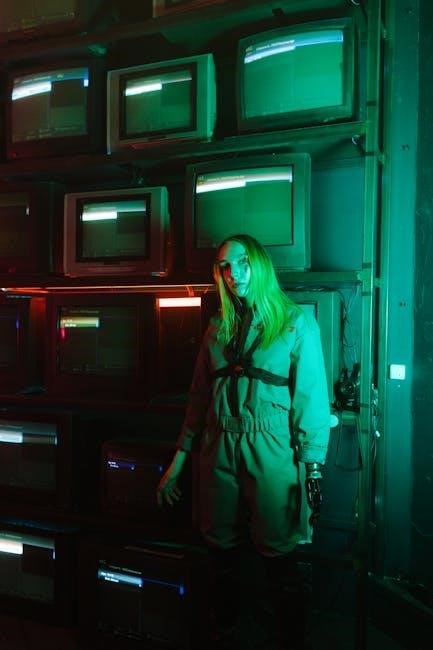
Studying cyberpunk screenplay PDFs, such as those for Ghost in the Shell (1995) and Akira (1988), offers invaluable insights into the genre’s conventions. Focus on narrative structure, character development, and world-building techniques employed by seasoned writers.
Pay attention to dialogue, pacing, and how the scripts establish the high-tech, low-life dichotomy central to cyberpunk. Deconstructing these scripts reveals how they visually convey a dystopian future. Analyzing the influence of films like Blade Runner and Brazil is also beneficial.
Consider how Cyberpunk 2077’s narrative translates from game to potential screenplay format.
“Ghost in the Shell” (1995) Script Analysis
The Ghost in the Shell (1995) screenplay PDF exemplifies cyberpunk’s philosophical depth. Its narrative structure isn’t linear, mirroring the fragmented nature of consciousness in a digital age. Observe how the script establishes Major Motoko Kusanagi’s internal conflict – her search for identity in a cybernetic body.
The script masterfully portrays a world saturated with technology, yet grappling with existential questions. Dialogue is concise and impactful, often focusing on the blurring lines between human and machine. Analyze the visual descriptions, which are crucial for conveying the film’s iconic aesthetic.
Consider how the screenplay handles complex themes of transhumanism and artificial intelligence.
“Akira” (1988) Screenplay Breakdown
Examining the Akira (1988) screenplay PDF reveals a masterclass in visual storytelling. The script relies heavily on detailed descriptions of Neo-Tokyo’s decaying grandeur and the escalating psychic powers. Notice the sparse dialogue, often overshadowed by the film’s breathtaking animation and sound design.
The screenplay effectively builds tension through fragmented scenes and ambiguous character motivations. Kaneda and Tetsuo’s dynamic is central, showcasing the dangers of unchecked power and societal breakdown. Analyze how the script portrays the government’s attempts to control the psychic threat.
Consider the screenplay’s influence on subsequent cyberpunk works and its enduring legacy.
Core Elements of a Cyberpunk World
Cyberpunk screenplay PDFs consistently showcase a world defined by stark contrasts: “High Tech, Low Life.” This dichotomy is crucial, depicting advanced technology coexisting with social decay and economic disparity. Megacorporations wield immense power, often surpassing governments, controlling resources and manipulating populations – a theme prevalent in analyzed scripts.
Cybernetics and human augmentation are fundamental, blurring the lines between humanity and machine. Scripts frequently explore the ethical implications of these advancements. Detailed world-building is essential, establishing a believable and immersive dystopian setting.
Analyzing PDFs reveals consistent elements like neon-lit cityscapes and pervasive surveillance.
High Tech, Low Life: The Dichotomy
Cyberpunk screenplay PDFs vividly illustrate this core tenet: advanced technology existing alongside societal breakdown. Scripts demonstrate gleaming skyscrapers overshadowing impoverished slums, showcasing a vast gap between the powerful and the marginalized. Analyzing Akira and Ghost in the Shell PDFs reveals how technology, while offering progress, often exacerbates existing inequalities.

This contrast fuels conflict, driving narratives centered on rebellion and survival. The “Low Life” aspect isn’t merely aesthetic; it’s integral to the plot, influencing character motivations and world-building. PDFs highlight how characters navigate this duality, often relying on tech to survive in harsh conditions.
Megacorporations and Their Control
Cyberpunk screenplay PDFs consistently depict megacorporations wielding immense power, often surpassing governments. Analyzing scripts reveals these entities controlling vital resources, technology, and even information, shaping the dystopian world. PDFs of Cyberpunk 2077’s Phantom Liberty showcase complex corporate intrigue and the consequences of unchecked power.
These corporations aren’t simply villains; they’re complex systems with their own agendas. Screenplays demonstrate how individuals become cogs in their machines, struggling against systemic oppression. Examining these PDFs highlights the importance of portraying realistic corporate structures and motivations, adding depth to the narrative.
Cybernetics and Human Augmentation
Cyberpunk screenplay PDFs frequently showcase extensive use of cybernetics and human augmentation, blurring the lines between humanity and technology. Analyzing scripts like Ghost in the Shell reveals philosophical explorations of identity and what it means to be human in a technologically advanced world. PDFs related to Cyberpunk 2077 demonstrate diverse augmentations impacting gameplay and narrative.
These augmentations aren’t always beneficial; they often come with physical and psychological costs. Screenplays explore the ethical dilemmas surrounding body modification and the societal implications of a heavily augmented population. Studying these PDFs emphasizes the need for detailed world-building regarding the accessibility and consequences of cybernetic enhancements.
Character Archetypes in Cyberpunk
Cyberpunk screenplay PDFs consistently feature recurring character archetypes, providing foundational roles within the genre’s narratives. The Hacker/Netrunner, a central figure, is often depicted navigating complex digital landscapes, frequently appearing in analyzed scripts. Corporate Executives, wielding immense power, embody the controlling forces of megacorporations. Street Samurai, enhanced mercenaries, represent the gritty, violent underbelly of these worlds.
Examining PDFs of Akira and Ghost in the Shell reveals nuanced portrayals of these archetypes, often subverting expectations. Screenplays demonstrate how these roles interact, creating conflict and driving the plot. Analyzing these PDFs highlights the importance of crafting compelling characters within established, yet flexible, archetypal frameworks.
The Hacker/Netrunner
Cyberpunk screenplay PDFs frequently showcase the Hacker/Netrunner as a pivotal character, embodying resistance against oppressive systems. These scripts detail their expertise in navigating cyberspace, often depicted as a visually striking digital realm. Analyzing PDFs like those inspired by Cyberpunk 2077 reveals complex skill trees and abilities, informing character development.
The Netrunner’s role extends beyond simple code-breaking; they often serve as information brokers, rebels, or even corporate spies. Screenplays emphasize their vulnerability, despite their digital prowess, highlighting the risks inherent in their profession. PDF analyses demonstrate the importance of crafting believable hacking sequences and motivations.
The Corporate Executive
Cyberpunk screenplay PDFs consistently portray the Corporate Executive as a figure of immense power and moral ambiguity. These scripts often explore their ruthless pursuit of profit, frequently at the expense of human life and societal well-being. Analyzing examples, even those linked to Cyberpunk 2077’s narrative, reveals complex motivations beyond simple greed.
The Executive archetype embodies the dystopian themes of unchecked capitalism and technological control. Screenplays detail their lavish lifestyles, fortified headquarters, and armies of security personnel. PDF breakdowns demonstrate the importance of crafting compelling antagonists with believable flaws and vulnerabilities, avoiding simplistic villainization.
The Street Samurai
Cyberpunk screenplay PDFs frequently feature the Street Samurai – a skilled mercenary enhanced with cybernetics. These scripts showcase their expertise in combat, hacking, and infiltration, often operating in the shadows of megacorporations. Analyzing examples, like those inspired by Akira or Ghost in the Shell, reveals a focus on their internal conflicts.
The Samurai archetype embodies the themes of transhumanism and the blurring lines between humanity and technology. Screenplays detail their augmented bodies, specialized weaponry, and code of honor. PDF breakdowns demonstrate the importance of balancing their combat prowess with emotional depth, creating relatable characters despite their enhancements.
Writing a Cyberpunk Screenplay: Structure
Examining cyberpunk screenplay PDFs reveals a common structural approach: a non-linear narrative mirroring the fragmented nature of the genre’s worlds. Scripts often employ multiple perspectives and interwoven storylines, reflecting the complex power dynamics. Analyzing Cyberpunk 2077’s Phantom Liberty DLC script shows a focus on branching narratives and player agency.
Traditional three-act structures are often subverted, favoring a more episodic or modular format. PDF breakdowns highlight the importance of establishing a strong sense of place and atmosphere early on. Successful screenplays prioritize world-building and character development over conventional plot progression, creating immersive experiences.
Dialogue and Tone in Cyberpunk
Cyberpunk screenplay PDFs demonstrate a distinctive dialogue style: terse, cynical, and often laced with technological jargon. Characters frequently employ slang, code-switching, and fragmented speech, reflecting the genre’s gritty realism. Analyzing scripts like Ghost in the Shell reveals a detached, philosophical tone, exploring themes of identity and consciousness.
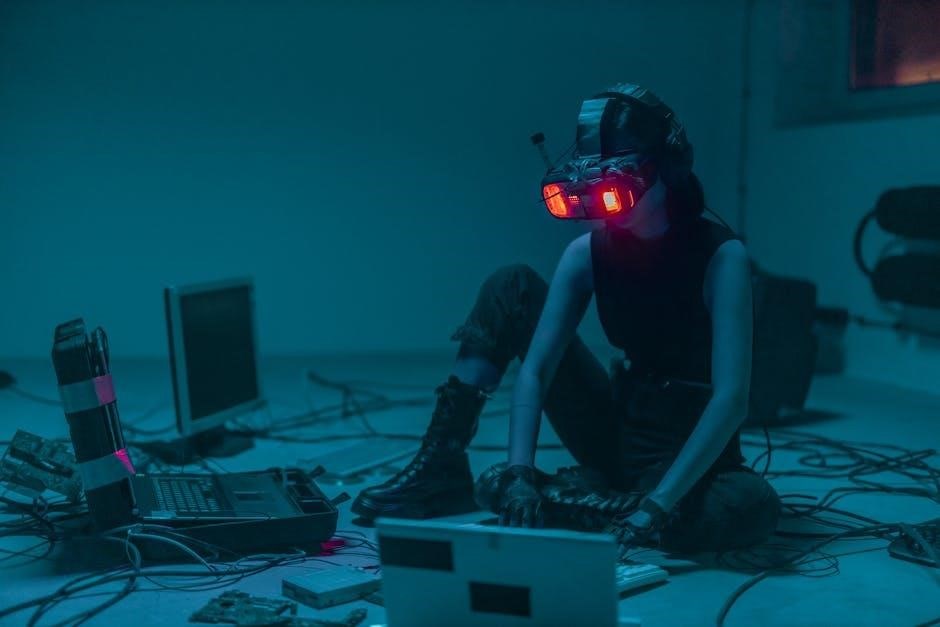
The overall tone is typically bleak and pessimistic, emphasizing alienation, corporate control, and societal decay. However, moments of dark humor and rebellious defiance are also common. Effective screenplays balance exposition with subtext, allowing the world and characters to speak for themselves, mirroring the immersive quality of Cyberpunk 2077.
Visual Style and World-Building
Cyberpunk screenplay PDFs consistently showcase detailed world-building, crucial for immersing the audience in a dystopian future. Scripts often include extensive descriptions of neon-lit cityscapes, decaying infrastructure, and advanced technology. Analyzing Blade Runner’s screenplay highlights the importance of visual cues – rain-soaked streets, towering holograms, and crowded markets – to establish atmosphere.
Effective world-building extends beyond aesthetics, encompassing social structures, political systems, and technological advancements. The success of Cyberpunk 2077 demonstrates the power of a richly detailed world. Screenplays should evoke a sense of both wonder and dread, reflecting the genre’s “high tech, low life” dichotomy.
Cyberpunk 2077 and its Screenplay Influence
Examining Cyberpunk 2077’s development, particularly the 2.0 update and Phantom Liberty DLC, offers valuable insights for aspiring screenwriters. Screenplay PDFs related to the game reveal a shift towards more complex character motivations and branching narratives. The game’s troubled launch and subsequent redemption arc demonstrate the importance of iterative storytelling.
Analyzing Phantom Liberty showcases how to integrate political intrigue and espionage into a cyberpunk setting. The Sandevistan builds and gameplay mechanics inspire dynamic action sequences. Studying the game’s script structure can inform pacing and plot development in similar projects, highlighting the evolution of the genre.
Phantom Liberty DLC Story Analysis
The Phantom Liberty DLC for Cyberpunk 2077 provides a compelling case study for cyberpunk screenplay analysis. PDFs detailing the narrative structure reveal a tightly woven espionage thriller, contrasting sharply with the main game’s open-world freedom. Its focus on political intrigue and moral ambiguity offers lessons in crafting nuanced characters.
Screenwriters can learn from the DLC’s effective use of limited locations to heighten tension and focus the narrative. The script’s exploration of themes like loyalty, betrayal, and the cost of freedom resonates deeply. Analyzing the dialogue and pacing demonstrates how to build suspense and deliver impactful emotional beats within a cyberpunk framework.
Recent Developments in Cyberpunk Gaming & Storytelling (2023-2025)
The resurgence of Cyberpunk 2077, fueled by Update 2.0 and Phantom Liberty, significantly impacts screenplay trends. PDF script analyses of these updates showcase refined narrative structures and character arcs. The anticipated Nintendo Switch 2 port, announced in June 2025, suggests a demand for adaptable, streamlined storytelling.
Screenwriters are observing a shift towards more focused narratives, mirroring the DLC’s tighter scope. The success of revamped gameplay mechanics, like Sandevistan builds, inspires exploration of player agency within scripts. Accessing updated game scripts in PDF format provides invaluable insight into contemporary cyberpunk storytelling techniques.
Cyberpunk 2077 Update 2.0 & Gameplay Changes
The substantial overhaul in Cyberpunk 2077’s Update 2.0, alongside Phantom Liberty, offers a rich case study for screenwriters. PDF breakdowns of the revised skill trees and combat systems reveal how gameplay directly informs narrative possibilities. New character builds, particularly Sandevistan-focused ones, demand scripts that accommodate heightened player abilities.
Analyzing the updated game’s script in PDF form highlights how CD Projekt Red integrated gameplay changes into the story. Screenwriters can learn from the implementation of new implants and systems, crafting narratives that organically showcase these features. This update demonstrates a move towards more dynamic, player-driven storytelling.
Cyberpunk 2077 on Nintendo Switch 2
The unexpected arrival of Cyberpunk 2077 on the Nintendo Switch 2 presents unique challenges and opportunities for screenplay analysis. PDF documents detailing the port’s technical limitations and graphical adjustments offer insights into narrative constraints. Screenwriters studying this version must consider how to craft stories that thrive within a reduced visual fidelity.
Examining potential script adaptations for the Switch 2, available as PDFs, reveals a focus on streamlined storytelling and character interactions. The need to optimize performance may necessitate tighter narratives and fewer expansive set pieces. This port demonstrates how technical limitations can inspire creative solutions in screenplay development.
Sandevistan Builds and Gameplay Mechanics
Analyzing Cyberpunk 2077’s Sandevistan mechanics through available screenplay PDFs reveals how gameplay directly influences narrative possibilities. Scripts showcasing characters utilizing this cyberware demand precise action sequences and descriptions of altered perception. PDF breakdowns of optimal Sandevistan builds – focusing on attributes like Reflexes – inform how characters’ abilities translate to on-screen action.

Screenwriters can leverage these mechanics to create thrilling chase scenes or intense combat encounters. Understanding the time dilation effect and its limitations, as detailed in gameplay guides often found as PDFs, is crucial for realistic portrayal. The interplay between cyberware and character agency provides rich storytelling potential.
Resources for Cyberpunk Screenwriters
Numerous online platforms offer access to cyberpunk screenplay PDFs, serving as invaluable resources for aspiring writers. Websites dedicated to Cyberpunk 2077, like Wiki Cyberpunk 2077, often host script excerpts or analyses. Dedicated screenwriting forums and communities frequently share links to downloadable scripts, including those inspired by the game and its Phantom Liberty DLC.
Beyond direct screenplay PDFs, resources include detailed gameplay guides, outlining world-building elements and character archetypes. Analyzing these guides, alongside film scripts like Blade Runner, provides a comprehensive understanding of the genre. Remember to always verify legality and ethical considerations when accessing and utilizing these materials.

Common Pitfalls to Avoid
When utilizing cyberpunk screenplay PDFs for inspiration, avoid simply replicating existing tropes. Over-reliance on established elements from Akira or Ghost in the Shell can lead to derivative work. Beware of creating overly nihilistic or bleak narratives without offering compelling character arcs or thematic depth. Ensure your world-building feels original, moving beyond the “high tech, low life” dichotomy.
Avoid neglecting the ethical implications of cybernetics and corporate control. Remember the genre’s roots in social commentary. Don’t fall into the trap of prioritizing visual style over substance, or creating convoluted plots lacking emotional resonance. Always strive for originality.
Future Trends in Cyberpunk Screenwriting
Analyzing recent developments, like Cyberpunk 2077’s Update 2.0 and Phantom Liberty DLC, reveals a trend towards morally grey characters and complex narratives. Expect increased exploration of transhumanism and the blurring lines between humanity and technology. Screenplays will likely delve deeper into the societal impact of AI and automation, mirroring real-world concerns.
The potential Nintendo Switch 2 port of Cyberpunk 2077 suggests a demand for accessible, yet sophisticated, cyberpunk experiences. Future scripts may focus on localized cyberpunk settings, moving beyond the typical East Asian-inspired aesthetics. Expect innovative uses of virtual reality and augmented reality within narratives.