
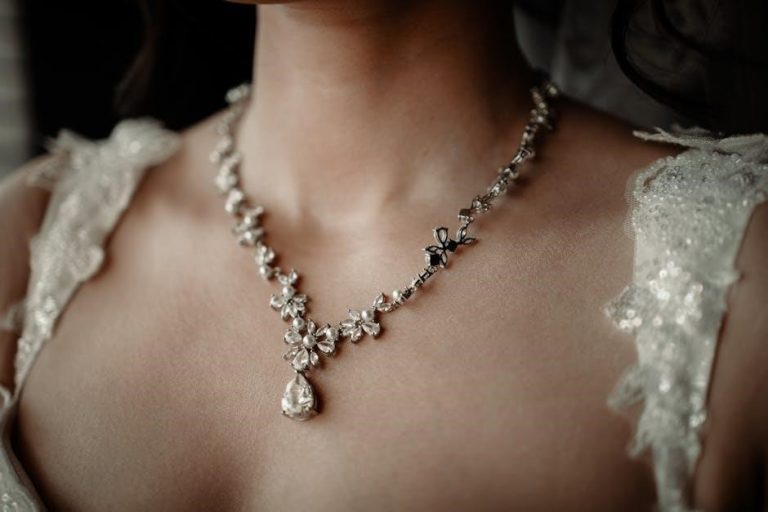
Neckline Necklace Guide: A Comprehensive Overview (Updated 04/29/2026)
Navigating necklace lengths and necklines can be challenging; this guide simplifies the process. Discover how varying lengths complement different outfits, ensuring a perfect, stylish fit every time.
Understanding Necklace Lengths & Common Measurements
Choosing the right necklace length hinges on understanding standard measurements and how they fall on the décolletage. Common lengths range from 16 to 24 inches, each creating a distinct visual effect. A 16-inch necklace typically sits as a choker, closely hugging the neck – ideal for showcasing a slender neckline. Moving up to an 18-inch necklace offers versatility, often resting at the collarbone, a universally flattering length.
The 20-inch necklace gracefully falls at the collarbone, providing a slightly longer, more relaxed look. For a statement, the 22-inch necklace hangs a few inches below the collarbone, drawing attention to the upper chest. Finally, a 24-inch necklace offers layering potential and a longer, more dramatic silhouette. Remember, these are guidelines; individual neck length and body proportions influence the ideal fit. Utilizing a string and tape measure is crucial for personalized accuracy, bypassing generalized sizing standards.
The 16-Inch Necklace: A Classic Choker Length
The 16-inch necklace embodies a timeless, classic aesthetic, primarily recognized as a choker length. It sits snugly at the base of the neck, making it a bold and defining statement piece. This length is particularly flattering for longer necks, accentuating their elegance, and can visually shorten a shorter neck. However, it’s crucial to consider personal comfort, as the close fit isn’t universally preferred.
When pairing a 16-inch choker, opt for higher necklines like crew necks or turtlenecks to create a cohesive look. Avoid pairing it with low-cut tops, as the contrast can appear unbalanced. A delicate 16-inch chain with a small pendant offers subtle sophistication, while bolder designs command attention. Remember, extreme lengths, like this choker, can work exceptionally well, especially when paired with similarly colored garments underneath to avoid visual breaks.
The 18-Inch Necklace: Versatile and Popular
The 18-inch necklace reigns supreme as a remarkably versatile and consistently popular choice. It gracefully rests just below the collarbone, offering a flattering fit for most necklines and body types. This length strikes a perfect balance – not too restrictive like a choker, yet still substantial enough to make a noticeable style statement. It’s an excellent starting point for those unsure of their ideal necklace length.
Its adaptability shines when paired with V-necks, scoop necks, and even button-down shirts. An 18-inch chain can effortlessly transition from casual daytime wear to more sophisticated evening ensembles. While some find this length sits on the collarbone, remember individual anatomy varies. Don’t rely solely on standardized charts; a string and tape measure provide the most accurate measurement. Consider layering with other necklaces for a trendy, personalized look.
The 20-Inch Necklace: Falling at the Collarbone
The 20-inch necklace is designed to elegantly fall at the collarbone, creating a visually lengthening effect for the neck. This length is particularly flattering with lower necklines, filling the space without overwhelming the décolletage. It’s a superb choice for showcasing pendants or delicate charms, allowing them to become a focal point of your outfit.
This length offers excellent versatility, working well with crew necks, scoop necks, and even some turtlenecks where a layered look is desired. It’s a step up in prominence from the 18-inch, making a bolder statement while remaining sophisticated. Remember, body size impacts placement; an 18-inch neck might find this length resting lower. Don’t hesitate to experiment with layering a 20-inch chain alongside shorter or longer necklaces to achieve a unique, personalized style. Accurate measurement is key for a perfect fit!
The 22-Inch Necklace: A Statement Piece
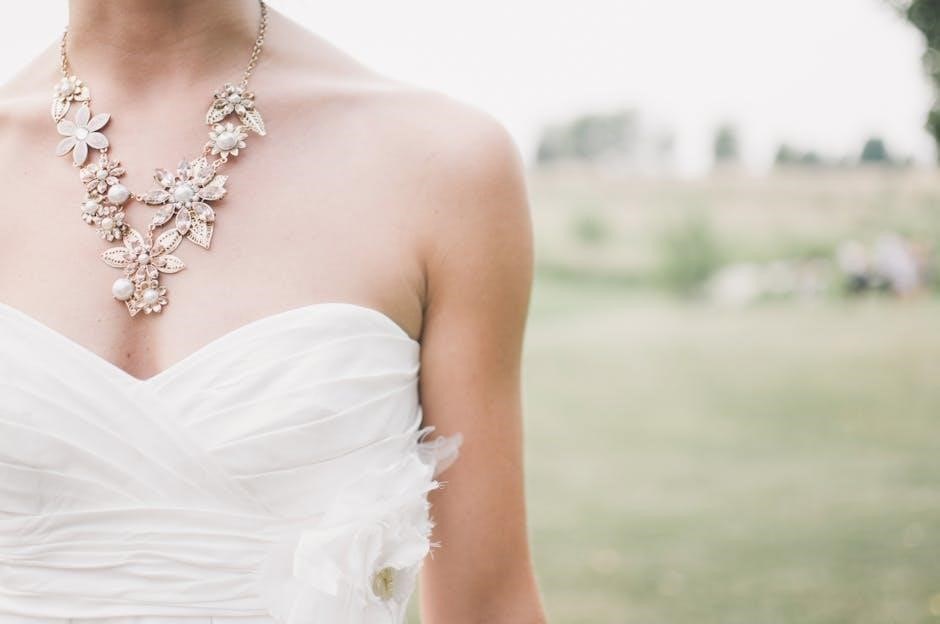
A 22-inch necklace confidently asserts itself as a statement piece, falling several inches below the collarbone. This length is ideal for adding a dramatic flair to your ensemble, particularly with V-necks and lower-cut tops, creating a striking visual impact. It’s a fantastic canvas for larger pendants or bolder designs, drawing attention and showcasing your personal style.
Consider this length when you want your necklace to be a prominent feature, not just an accent. It works beautifully with solid-colored outfits, allowing the necklace to truly stand out. Layering is also effective – pair it with shorter chains for a dynamic, textured look. However, be mindful of proportions; avoid overly bulky pendants if you have a smaller frame. Remember, individual body size influences where the necklace will ultimately rest, so adjust accordingly for optimal effect.
The 24-Inch Necklace: Longer and Layering-Friendly

The 24-inch necklace offers a longer line, typically resting mid-chest, making it exceptionally versatile and layering-friendly. This length is perfect for creating a relaxed, bohemian vibe or adding a touch of sophistication to lower necklines. It’s an excellent choice for those who prefer a more subtle statement, allowing the pendant to be the focal point without overwhelming the outfit.
Its extended length makes it ideal for layering with shorter necklaces – a 16 or 18-inch chain can fill the space between the necklace and your neckline beautifully. This length also complements tunic tops and dresses with lower V-necks or scoop necks. Don’t hesitate to experiment with different pendant sizes; a larger pendant can balance the length, while a delicate one offers a more understated elegance. Consider wearing a similar color underneath to avoid visual breaks.
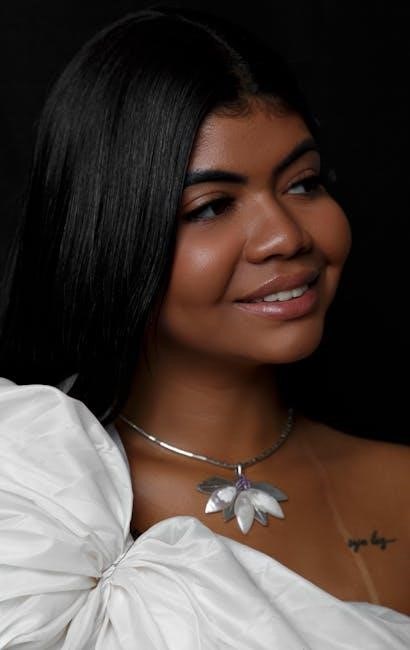
Matching Necklaces to Necklines
Selecting the right necklace depends on your outfit’s neckline. Different lengths and styles harmonize with various necklines, enhancing your overall look and style effortlessly.
Necklaces for Crew Necklines
Crew necklines, known for their rounded and close-to-the-neck shape, offer a versatile canvas for necklace styling. However, avoiding necklaces that precisely mimic the curve is crucial; you don’t want the jewelry to disappear into the neckline. A pendant necklace, ideally 18 to 20 inches long, works exceptionally well, creating a visual break and drawing attention to the décolletage.
Shorter chokers (16 inches) can also be effective, adding a touch of boldness, but ensure there’s enough space between the necklace and the base of the neck. Statement necklaces, while possible, should be carefully considered to avoid overwhelming the simplicity of the crew neck. Layering is another option, combining a delicate chain with a slightly longer pendant for a more dynamic look. Ultimately, the goal is to complement, not compete with, the neckline’s clean lines.
Necklaces for V-Necklines
V-necklines, characterized by their downward angle, present a unique opportunity for necklace enhancement. To echo the ‘V’ shape, a pendant necklace with a similar angular design is an excellent choice. The pendant’s lowest point should ideally fall within the ‘V’ itself, creating a harmonious and balanced aesthetic. A necklace length of 18 to 22 inches generally achieves this effect beautifully.
Longer chains (24 inches or more) can also work, particularly with deeper V-necks, offering a lengthening effect. However, avoid necklaces that fill the entire ‘V’ space, as this can appear cluttered. Delicate chains with small pendants are perfect for a subtle look, while bolder statement pieces can add drama. Layering can be effective, but ensure the layers don’t overwhelm the neckline’s inherent shape. The key is to accentuate, not obscure, the ‘V’.
Necklaces for Scoop Necklines
Scoop necklines, with their gentle, rounded curves, offer versatility in necklace choices. A pendant necklace that sits just above the scoop’s curve is a classic and flattering option. Necklace lengths of 18 to 20 inches typically work well, allowing the pendant to become a focal point without overwhelming the neckline. Consider the depth of the scoop; deeper scoops can accommodate slightly longer chains.
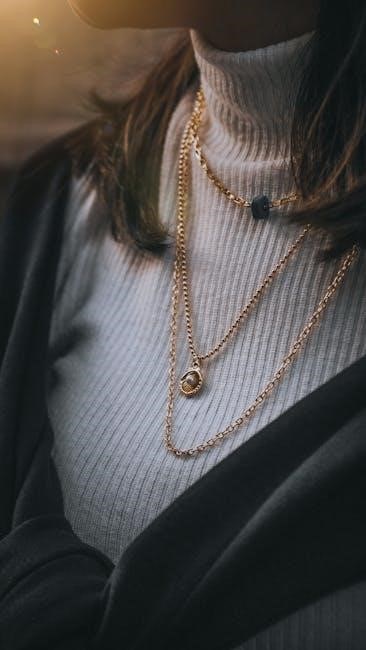
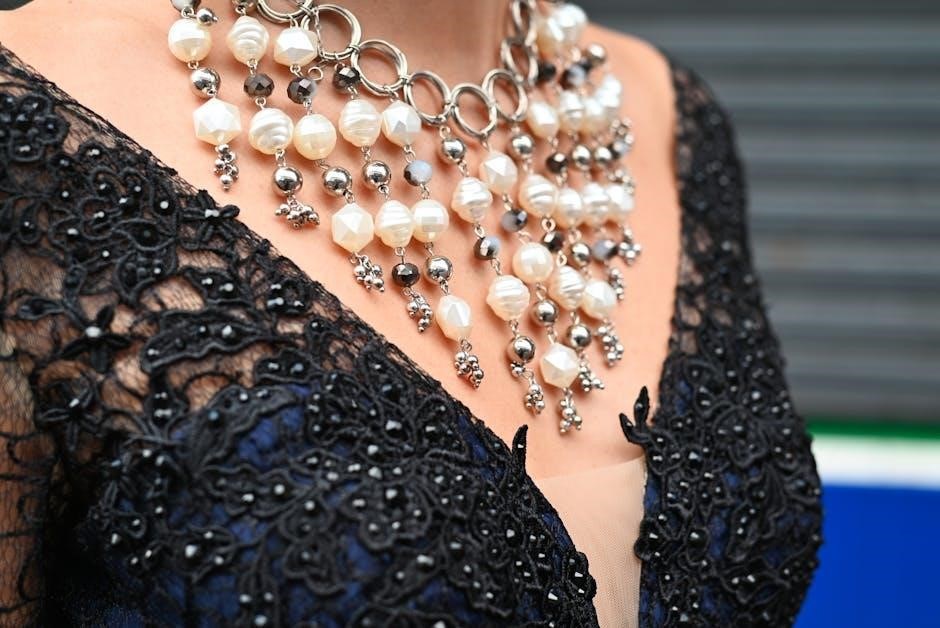
For a more dramatic look, a statement necklace that follows the curve of the scoop can be stunning. Bib necklaces or bolder pendants can fill the space beautifully. However, avoid necklaces that are too wide, as they might clash with the neckline’s shape. Layering delicate chains can also create a chic effect, adding dimension and interest. Ultimately, the goal is to complement the scoop’s softness with a necklace that enhances, rather than competes with, its form.
Necklaces for Turtlenecks & High Necklines
Turtlenecks and high necklines present a unique styling challenge, demanding necklaces that stand out without being lost. Long pendant necklaces – 24 inches or longer – are excellent choices, creating a vertical line that elongates the torso and breaks up the solid expanse of fabric. A statement pendant adds visual interest and prevents the outfit from appearing too monolithic.
Alternatively, layered necklaces of varying lengths can work beautifully, adding texture and dimension. Shorter chokers can also be worn over a turtleneck for a modern, edgy look, but ensure the turtleneck isn’t overly bulky. Avoid necklaces that sit directly against the neckline, as they may disappear or appear awkward. The key is to create contrast and draw attention to the area above the neckline, rather than trying to fill the space occupied by the turtleneck itself.
Necklaces for Off-the-Shoulder Necklines
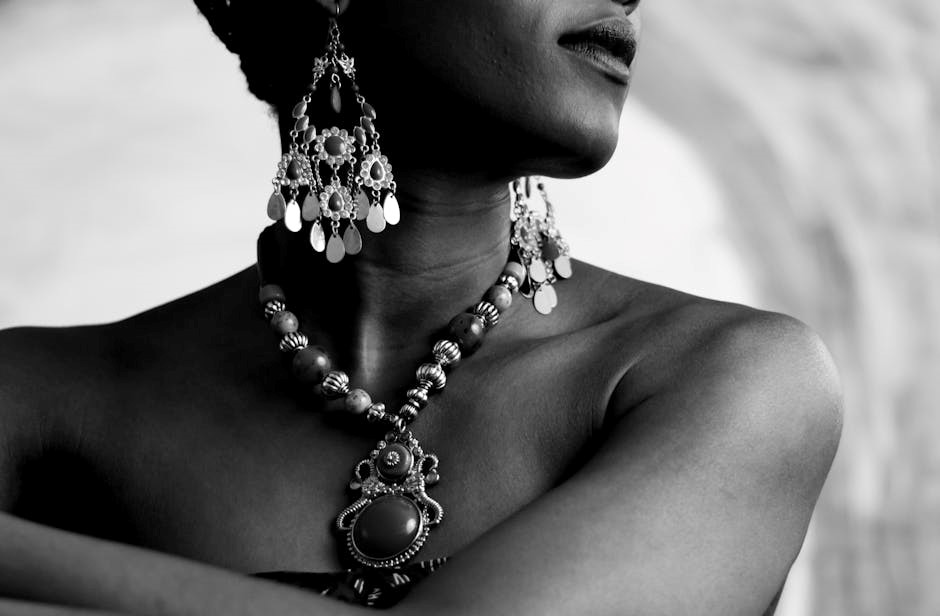
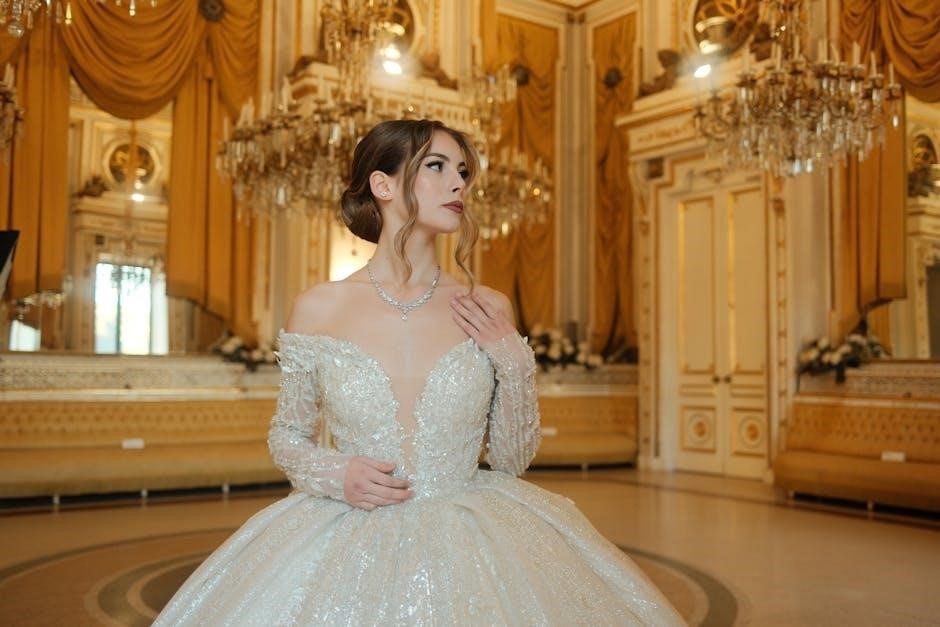
Off-the-shoulder necklines showcase the collarbone and shoulders, offering a fantastic canvas for necklaces. This style calls for pieces that enhance, not overwhelm, the exposed skin. A delicate 16-18 inch necklace, like a simple chain with a small pendant, sits beautifully in the hollow of the collarbone, drawing attention to the area. Layered necklaces of varying lengths can also create a sophisticated, bohemian vibe.
However, avoid overly bulky or large pendants that might compete with the neckline’s inherent drama. Statement necklaces can work, but choose designs that are more streamlined and elegant rather than overly ornate. Chokers can be stunning with off-the-shoulder tops, creating a striking contrast. Ultimately, the goal is to complement the open neckline with a necklace that feels balanced and proportionate, enhancing the overall look without overshadowing it.
Factors Influencing Necklace Choice
Selecting the ideal necklace involves considering body type, skin tone, pendant size, and layering potential. Face shape and clasp security also play crucial roles in style.
Body Type & Necklace Length
Determining the most flattering necklace length often depends on your body type and proportions. For petite frames, delicate, shorter necklaces – like 16 or 18 inches – prevent overwhelming your silhouette. These lengths maintain balance and avoid a dwarfed appearance. Conversely, individuals with longer necks and larger frames can confidently embrace longer lengths, such as 22 or 24 inches, or even explore statement layering.
A longer necklace can elongate the torso, creating a streamlined effect, while shorter necklaces draw attention upwards. Those with fuller figures might find that longer pendants visually lengthen the neckline. It’s also beneficial to consider the vertical line created by the necklace; a continuous line can be particularly flattering. Remember, extreme lengths – very short or very long – can work well, but require mindful styling to avoid disrupting the overall balance of your look. Ultimately, experimentation is key to discovering what best complements your unique body shape.
Skin Tone & Metal Color
Selecting the right metal color for your necklace significantly impacts how it complements your skin tone. Individuals with warm undertones – often characterized by golden, yellow, or olive complexions – typically shine in gold, rose gold, and brass. These metals enhance the natural warmth of the skin, creating a harmonious glow. Conversely, those with cool undertones – featuring pink, red, or blueish hues – generally look stunning in silver, platinum, and white gold.
Cool-toned metals accentuate the coolness in the skin, resulting in a fresh and vibrant appearance. Neutral skin tones have the flexibility to experiment with both gold and silver, allowing for greater versatility; Beyond the primary metal color, consider the necklace’s overall design and any incorporated gemstones. A thoughtful combination of metal and stone can further enhance your complexion and elevate your style. Don’t be afraid to try different options to discover what makes you feel most confident and radiant.
Pendant Size & Necklace Length
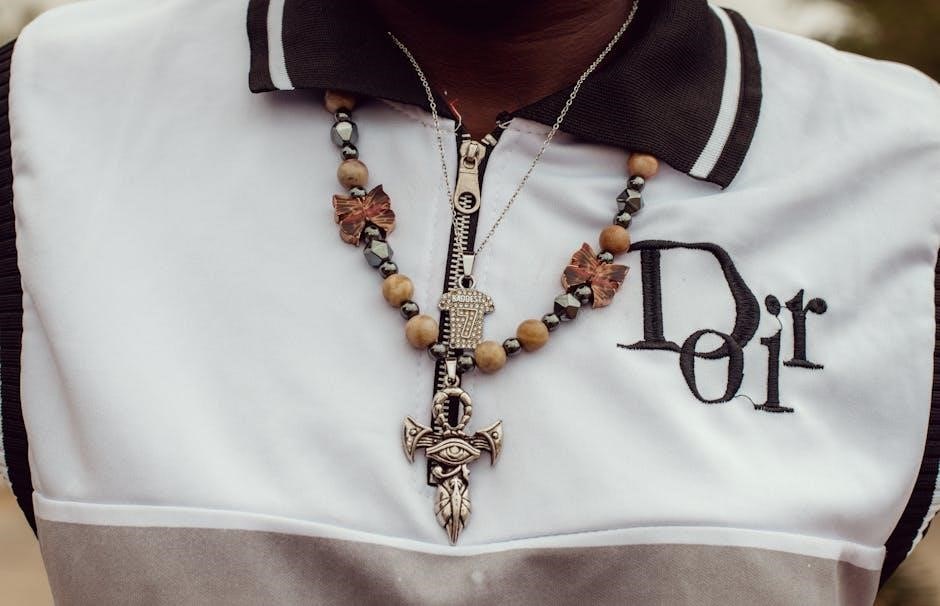
The relationship between pendant size and necklace length is crucial for achieving a balanced and aesthetically pleasing look. Larger, bolder pendants generally require longer chains – 20 inches or more – to prevent them from appearing overwhelming or too close to the neckline. A longer chain provides the necessary space for the pendant to hang gracefully and become a focal point without feeling constricted.
Conversely, delicate or smaller pendants pair beautifully with shorter chains, such as 16 or 18 inches. This combination creates a subtle and refined effect, ideal for everyday wear or layering. When choosing, consider your body frame; petite individuals might prefer smaller pendants and shorter lengths, while those with larger frames can confidently carry bolder designs on longer chains. Ultimately, the goal is to create visual harmony and ensure the pendant is proportionally balanced with your overall silhouette and neckline.
Layering Necklaces: A Style Guide
Mastering the art of necklace layering adds depth and personality to any outfit. Begin with a base layer – typically a delicate chain around 16-18 inches – worn close to the collarbone. Add a mid-length necklace, around 20-22 inches, to create visual interest and break up the space. Finally, incorporate a longer statement piece, 24 inches or more, for a dramatic effect.
Varying textures and pendant sizes is key; mix delicate chains with bolder designs. Consider metal tones – mixing gold and silver can be chic, but ensure it feels intentional. A cohesive color palette, or a deliberate contrast, enhances the layered look. Remember to keep the overall proportion balanced with your neckline and body type. Don’t be afraid to experiment, but avoid overcrowding; less is often more when achieving a stylish, layered effect.
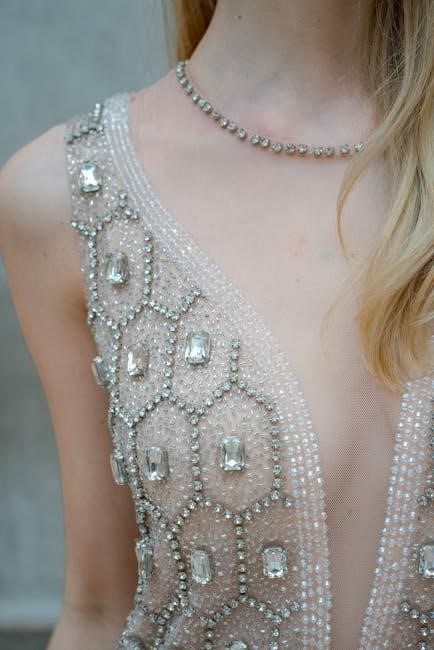
Measuring Your Ideal Necklace Length
Determining your perfect necklace length doesn’t require a jeweler – a simple at-home measurement will suffice! Use a flexible measuring tape or a piece of string. Measure your neck comfortably, allowing a little room to move. Add the desired drop length to this measurement; consider where you want the necklace to fall on your chest.
For chokers, 14-16 inches is typical. For a classic look hitting the collarbone, aim for 18 inches. A 20-inch necklace will fall between the collarbone and bust, while 22-24 inches creates a longer, layering-friendly length. Don’t rely solely on standard sizes; individual neck lengths vary. Remember to account for pendant size, as it adds to the overall drop. Accurate measurement ensures a flattering and comfortable fit, avoiding necklaces that are too tight or too long.
Considering Face Shape & Necklace Style
Necklace selection isn’t just about neckline; face shape plays a crucial role in achieving a balanced look. For round faces, longer pendants and V-shaped necklaces create length, slimming the face. Angular faces benefit from softer, curved necklaces that add fullness. Heart-shaped faces look lovely with pendants that fill out the lower portion of the face.
Those with longer faces can balance their features with shorter, statement necklaces. Avoid overly long chains that elongate the face further. Consider your jawline – a strong jawline pairs well with bolder necklaces, while a delicate jawline suits more delicate chains. Ultimately, experimentation is key! Don’t be afraid to try different styles to discover what best complements your unique features and personal aesthetic.
Necklace Clasps: Types and Security
The clasp is a critical, often overlooked, component of a necklace. Lobster clasps are popular for their security and ease of use, featuring a spring-loaded mechanism. Spring ring clasps are simpler but can be less secure, requiring more dexterity. Toggle clasps offer a unique aesthetic but may not be as reliable for heavier pendants.
Magnetic clasps are convenient, especially for those with limited dexterity, but can sometimes detach unexpectedly. Screw clasps provide maximum security, ideal for valuable pieces, though they require careful tightening. Regularly inspect your clasps for wear and tear. A weakened clasp can lead to lost jewelry! Consider professional cleaning and maintenance to ensure longevity and prevent unexpected breakages, safeguarding your treasured necklaces.