
Methodist Church Inclusive Language Guide: An Overview (as of 12/04/2025)
Recent shifts within the United Methodist Church, notably at the 2024 General Conference, have prompted a comprehensive inclusive language guide addressing LGBTQ+ inclusion and gender neutrality․
Key decisions reversed long-standing policies, lifting bans on same-sex marriage and LGBTQ+ clergy, impacting liturgical practices and prompting ongoing dialogue within the denomination․
Historical Context of Language Debates
The Methodist Church’s journey with inclusive language isn’t new; debates intensified throughout the latter half of the 20th century, mirroring broader societal shifts․ Early discussions centered on revising hymns and liturgical texts to avoid overtly masculine depictions of God, challenging traditional interpretations․
By the 1970s, concerns arose regarding gendered language in worship and the exclusion of diverse experiences․ The 1972 United Methodist Book of Worship marked a first attempt at more inclusive phrasing, though it faced resistance․ The issue of LGBTQ+ inclusion became increasingly prominent, culminating in the 48-year policy regarding homosexuality, reversed in 2024, fueling decades of internal conflict and ultimately, this guide․
Edgehill United Methodist Church in Nashville exemplifies early advocacy, mobilizing members to push for inclusivity within the denomination․
The 2024 General Conference & Key Decisions
The 2024 General Conference proved pivotal for the United Methodist Church, enacting seismic shifts regarding inclusivity․ A key decision reversed the 48-year policy prohibiting funds for promoting acceptance of homosexuality, signaling a dramatic change in direction․ Simultaneously, bans on LGBTQ+ clergy and same-sex marriages were lifted, sparking both celebration and division․
These votes followed years of internal debate and advocacy, notably from congregations like Edgehill UMC․ The conference addressed concerns about traditional language, paving the way for the current inclusive language guide․ Approximately 7,600 conservative congregations subsequently disaffiliated, highlighting the profound impact of these decisions․
The atmosphere at the close of the conference was described as joyful, with attendees singing songs of love and acceptance․

Specific Language Changes & Recommendations
The guide recommends alternatives to gendered terms for God and traditional marital language like “husband” and “wife,” reflecting a commitment to inclusivity and modern sensibilities․
Replacing Gendered Terms for God
Historically, the Methodist Church, like many Christian denominations, has predominantly used masculine pronouns when referring to God․ However, the inclusive language guide encourages exploring alternatives to acknowledge God’s transcendence and avoid reinforcing gender biases․
Recommendations include utilizing gender-neutral language such as “Creator,” “Source of Being,” or employing poetic phrasing that avoids pronouns altogether․ The guide suggests rotating language to prevent stagnation and foster a broader understanding of the divine․ This shift aims to reflect the belief that God is beyond human categorization and embraces a more expansive theological perspective․
Acknowledging the sensitivity surrounding this topic, the guide emphasizes thoughtful implementation and respectful dialogue within congregations․
Alternatives to “Husband” and “Wife” in Marriage
Recognizing the diversity of modern relationships, the Methodist Church’s inclusive language guide proposes alternatives to the traditional terms “husband” and “wife” during wedding ceremonies and pastoral care․ The guide acknowledges that couples may prefer not to be defined by these gendered roles․
Suggested alternatives include “partner,” “spouse,” or using the individuals’ names directly․ The guide emphasizes asking couples their preferred terminology, ensuring their identities and relationships are honored․ This practice aligns with the church’s commitment to inclusivity and affirms the validity of all loving, committed relationships․
Revised wedding ceremonies will offer options reflecting these changes․
Inclusive Pronoun Usage
The Methodist Church’s inclusive language guide strongly advocates for respecting individuals’ self-identified pronouns․ This includes utilizing they/them pronouns for those who identify as non-binary or genderqueer, even when grammatical conventions might suggest otherwise․ The guide emphasizes that intentional pronoun usage demonstrates respect and affirms a person’s identity․
Pastors and church leaders are encouraged to proactively ask individuals for their pronouns and consistently use them․ Avoiding assumptions about gender based on appearance is crucial․ The guide also suggests normalizing pronoun sharing within congregations to foster a more inclusive environment․
Correct pronoun use is vital for LGBTQ+ inclusion․
Avoiding Gender-Specific Language in Hymns
The Methodist Church’s inclusive language guide recognizes hymns as powerful tools for worship, but also acknowledges their historically gendered language․ The guide encourages congregations to explore revised hymn texts that replace male-centric pronouns and imagery with gender-neutral alternatives․ This includes substituting “God” for “Father” where appropriate and rephrasing verses to avoid exclusively masculine descriptions of divinity․
Where revised texts aren’t readily available, the guide suggests singing hymns with intentionality, mentally substituting inclusive language during worship․ Congregations are also encouraged to advocate for the creation of new hymns that reflect inclusive theological perspectives․
This practice promotes broader participation․
Impact on Liturgical Practices
The shift towards inclusive language significantly alters wedding ceremonies, ordination vows, and pastoral prayers, reflecting acceptance of same-sex marriage and LGBTQ+ clergy․
Revised Wedding Ceremonies
Wedding ceremonies are undergoing substantial revisions to embrace inclusivity, moving away from traditional, heteronormative language․ Couples are now asked if they desire to be addressed as “husband and wife,” offering alternatives that reflect their preferences and identities․
This change acknowledges diverse relationships and affirms the validity of same-sex unions․ Liturgical materials are being updated to include gender-neutral options for vows and blessings, ensuring all couples feel fully welcomed and represented within the Methodist tradition․ The goal is to create ceremonies that are both meaningful and inclusive for every couple․
Changes to Ordination Vows
Ordination vows have been revised to reflect the United Methodist Church’s evolving stance on LGBTQ+ inclusion․ The updated vows no longer contain stipulations that implicitly excluded or discriminated against clergy members based on their sexual orientation or gender identity․
This adjustment signifies a commitment to fully welcoming and affirming LGBTQ+ individuals into the ministry․ The revised language emphasizes a dedication to serving all of God’s people, regardless of their background or identity, fostering a more inclusive and equitable environment within the denomination’s leadership․
Updates to Pastoral Prayers
Pastoral prayers are undergoing significant updates to incorporate more inclusive language, moving away from traditionally gendered phrasing and embracing broader, more representative terminology․ These revisions aim to acknowledge and celebrate the diversity of God’s creation and the congregation’s membership․
The changes reflect a deliberate effort to create a worship experience where all individuals feel seen, valued, and included․ Prayers now intentionally address God in ways that avoid exclusively masculine pronouns, and petitions are broadened to encompass the needs of all people, fostering a sense of belonging for everyone;
Addressing LGBTQ+ Inclusion
The Methodist Church now affirms LGBTQ+ individuals, lifting bans on same-sex marriage and ordination, and emphasizing the use of correct pronouns and names․
This shift reflects a commitment to full inclusion and acceptance within the denomination, fostering a welcoming environment for all․
Language Regarding Same-Sex Marriage
Historically, the United Methodist Church prohibited the celebration of same-sex marriages and the ordination of LGBTQ+ clergy․ However, the 2024 General Conference marked a pivotal change, removing these restrictions․
New guidelines encourage inclusive language in wedding ceremonies, moving away from exclusively gendered terms like “husband” and “wife,” allowing couples to define their relationship as they choose․
Pastoral prayers and liturgical texts are being revised to reflect this inclusivity, acknowledging and celebrating the love and commitment of same-sex couples within the church community․
The emphasis is on affirming the sacredness of all loving relationships, regardless of gender identity or sexual orientation, promoting a more welcoming and equitable church environment․
Acceptance of LGBTQ+ Clergy
A significant outcome of the 2024 General Conference was the removal of bans on LGBTQ+ individuals serving as ordained clergy within the United Methodist Church․ This decision represents a substantial shift in denominational policy․
Inclusive language now extends to acknowledging and affirming LGBTQ+ clergy members, utilizing correct pronouns and names in all official communications and liturgical settings;
The church actively encourages a welcoming and supportive environment for LGBTQ+ clergy, fostering a sense of belonging and equal opportunity for leadership roles․
This acceptance aims to reflect a more inclusive theological understanding and a commitment to full participation for all God’s people within the ministry․
Using Correct Pronouns and Names
The Methodist Church’s inclusive language guide emphasizes the vital importance of respecting individuals’ self-identified pronouns and names․ This practice extends to all members, visitors, and especially LGBTQ+ individuals within the church community․
Intentionality is key; clergy and lay leaders are encouraged to proactively ask for and consistently use correct pronouns and names․ Misgendering or using an incorrect name is considered disrespectful․
Training resources are being developed to assist congregations in understanding and implementing these guidelines, fostering a welcoming and affirming environment for everyone․
This commitment reflects a theological understanding of God’s love and acceptance of all people, regardless of gender identity or expression․

Theological Justifications for Inclusive Language
Inclusive language stems from biblical interpretations emphasizing God’s universal love and justice, alongside theological arguments supporting gender neutrality and affirming all identities․
Biblical Interpretation and Inclusivity
Progressive interpretations of scripture within the Methodist tradition emphasize God’s radical inclusivity, challenging traditional readings that have historically excluded or marginalized certain groups․
Advocates highlight biblical passages demonstrating God’s love for all humanity, irrespective of gender, sexual orientation, or social status, arguing for a more expansive understanding of biblical teachings․
This approach re-examines passages often used to justify exclusion, considering historical context and linguistic nuances to reveal more inclusive meanings, fostering a welcoming and affirming faith community․
Ultimately, this interpretive lens seeks to align Methodist theology with the core message of God’s unconditional love and grace for every individual․
Theological Arguments for Gender Neutrality
Methodist theologians increasingly argue that assigning gender to God is inherently limiting, reflecting human constructs rather than divine reality․ This perspective emphasizes God’s transcendence and boundless nature, exceeding human categorization․
Furthermore, the use of gender-exclusive language reinforces patriarchal structures and can exclude individuals who do not identify within traditional gender binaries․ Inclusive language, therefore, becomes a theological imperative․
Proponents suggest that focusing on God’s character – love, justice, and mercy – rather than gendered pronouns, offers a more accurate and universally accessible understanding of the divine․
This shift aims to create a more equitable and affirming theological framework for all members of the Methodist community․

Challenges and Controversies
Conservative reactions and potential church splits are significant challenges, alongside concerns about tradition and implementation difficulties regarding the new inclusive language guidelines․
Conservative Reactions and Church Splits
The shift towards inclusive language and acceptance within the United Methodist Church has ignited strong reactions from conservative factions․ Approximately 7,600 congregations have already opted to disaffiliate, leading to significant church splits and the formation of new, more traditional denominations․
These conservative groups express concerns about theological departures from established doctrines and perceive the changes as a betrayal of core beliefs․ They argue that the revised policies contradict biblical interpretations and threaten the historical identity of the Methodist Church, fueling ongoing disputes and divisions within the community․
Concerns About Tradition
A central concern voiced by traditionalists revolves around the perceived erosion of long-held liturgical and theological practices․ The move away from gendered language for God and the re-evaluation of marriage rites are seen as departures from established Methodist tradition․
Critics argue that altering familiar hymns and ordination vows risks disconnecting future generations from the historical roots of the faith․ They fear that prioritizing inclusivity will dilute the unique character of the Methodist Church, potentially diminishing its spiritual authority and cultural relevance over time․
Implementation Difficulties
Widespread adoption of the inclusive language guide faces practical hurdles across diverse congregations․ Training clergy and lay leaders on new terminology and liturgical revisions requires significant resources and time commitment․
Varied interpretations of the guidelines and resistance from conservative factions create inconsistencies in implementation․ Updating hymnbooks, prayer books, and other church materials presents logistical and financial challenges․ Ensuring consistent pronoun usage and respectful dialogue regarding same-sex marriage also demands ongoing education and sensitivity within local churches․

Resources and Further Guidance
Official Methodist Church documents and external guides offer practical advice on inclusive language․ Training workshops and seminars are available to support implementation and foster understanding․
Official Methodist Church Documents
The United Methodist Church provides several key documents outlining its evolving stance on inclusive language․ Following the 2024 General Conference, revised Social Principles and Book of Resolutions sections detail the changes regarding marriage equality and LGBTQ+ inclusion․
Additionally, denominational publications offer guidance for pastors and local churches navigating these shifts․ These resources include liturgical recommendations for weddings and ordination services, reflecting the updated language policies․ Access to these documents is primarily through the United Methodist Church’s official website, offering a centralized hub for information and support․
Further, committees and boards within the church continue to develop supplementary materials to aid congregations in understanding and implementing these inclusive practices․
External Guides to Inclusive Language
Beyond official Methodist resources, numerous external guides support the adoption of inclusive language practices․ Organizations dedicated to gender and LGBTQ+ equality offer comprehensive toolkits and style guides, providing practical advice on pronoun usage and avoiding gendered terms․
These resources often extend beyond religious contexts, offering broader perspectives on inclusive communication applicable to various settings; Several academic institutions and linguistic societies also contribute to the ongoing conversation, publishing research and best practices․
Utilizing these external guides can supplement the Methodist Church’s internal documents, fostering a deeper understanding and more nuanced approach to inclusive language․
Training Workshops and Seminars
To facilitate the implementation of inclusive language, the Methodist Church is increasingly offering training workshops and seminars for clergy and lay leaders․ These sessions aim to equip participants with the knowledge and skills to navigate the evolving linguistic landscape․
Workshops focus on practical application, covering topics like revising liturgical texts, conducting inclusive ceremonies, and fostering respectful dialogue within congregations․ Some seminars explore the theological underpinnings of inclusive language, addressing potential concerns and fostering understanding․
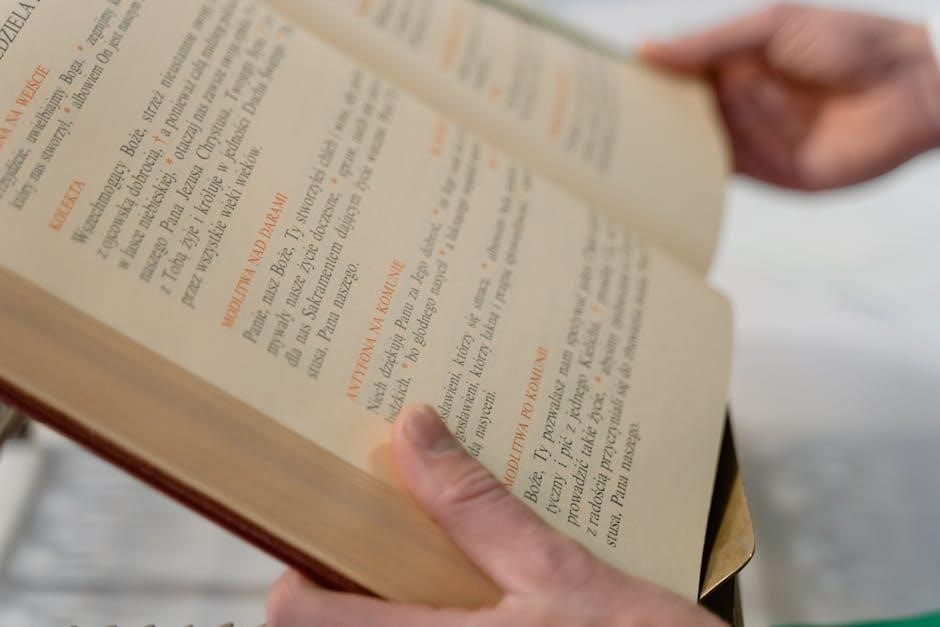
These initiatives are crucial for ensuring consistent and thoughtful implementation of the new guidelines across diverse Methodist communities․

The Future of Inclusive Language in the Methodist Church
Ongoing dialogue and revision are expected as the Methodist Church adapts to these changes, impacting church growth and outreach with continued inclusivity efforts․
Ongoing Dialogue and Revision
The implementation of inclusive language isn’t a static event, but rather an evolving process requiring continuous conversation and refinement within the United Methodist Church․ Expect further adjustments to the guide as congregations grapple with new terminology and liturgical adaptations․
Feedback from diverse groups – conservative, progressive, and those in between – will be crucial․ The church anticipates revisiting the guide periodically, potentially annually, to address emerging concerns and ensure it effectively reflects the denomination’s commitment to inclusivity․ This iterative approach acknowledges the sensitivity surrounding language and aims for broad acceptance․
Ultimately, the goal is to foster a welcoming environment for all, and language plays a vital role in achieving that․
Impact on Church Growth and Outreach
The Methodist Church hopes that embracing inclusive language will positively influence both church growth and its outreach efforts, particularly among younger generations and LGBTQ+ individuals․ A more welcoming and affirming environment could attract those previously alienated by traditional language․
However, the changes have already spurred divisions, with approximately 7,600 conservative congregations departing the denomination․ The long-term impact on overall membership remains uncertain, requiring careful monitoring of growth trends and community engagement․ Outreach strategies will need to demonstrate genuine inclusivity․
Success hinges on effectively communicating these changes to the wider public․